A roof leak never arrives at a convenient time. In Florida, it usually shows up during a summer thunderstorm, a tropical system, or a long night of relentless rain. One minute your ceiling is dry. The next, water is dripping onto your floor, and you are scrambling for buckets and towels.
Take a deep breath. Acting quickly and calmly can protect your home, your belongings, and your budget. This guide explains what to do the moment your roof starts leaking, how to understand the cause, and how to find a trusted provider of emergency roofing services in Florida.
Why Florida Roofs Are So Prone to Leaks
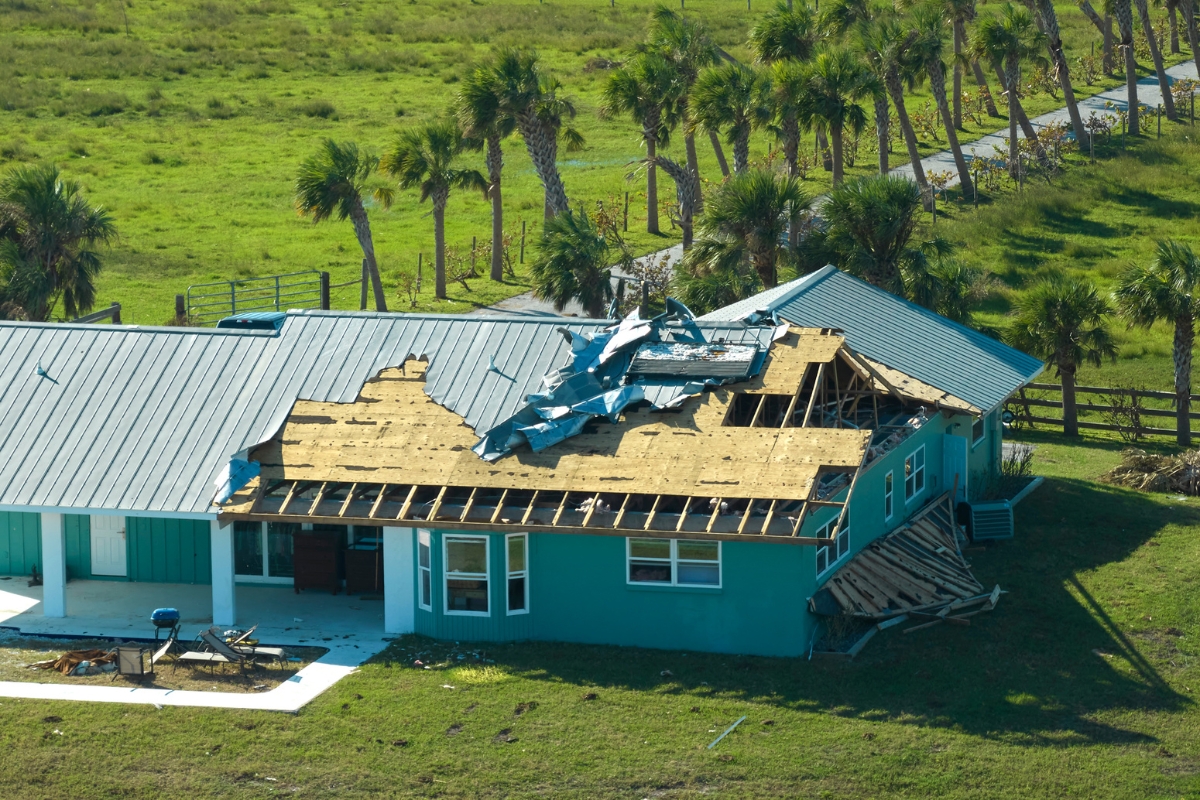
Florida’s climate is tough on roofs. Intense UV rays, heavy afternoon downpours, high humidity, and hurricane-force winds wear down roofing materials faster than in most other states. Over time, shingles curl, tiles crack, sealant dries out, and flashing pulls loose. Even a small opening can let in a surprising amount of water.
Common Causes of Roof Leaks
Most leaks trace back to one of these problems:
- Storm damage: High winds can lift or tear away shingles and tiles.
- Aging materials: Roofs that have reached the end of their lifespan lose their ability to shed water.
- Damaged flashing: Worn metal around chimneys, vents, and skylights creates easy entry points.
- Clogged gutters: Backed-up water can seep under the roof edge.
- Fallen debris: Branches and flying objects can puncture roofing materials.
Early Warning Signs to Watch For
Do not wait for a steady drip. Brown or yellow stains on ceilings, peeling paint, musty odors, and damp attic insulation all signal moisture. Spotting these signs early can turn an emergency into a simple repair.
What to Do Immediately When Your Roof Starts Leaking
When water starts coming through the ceiling, follow these steps in order. Each one helps limit damage until a professional arrives.
Step 1: Put Safety First
Keep everyone away from the affected area. If water is near light fixtures, outlets, or appliances, shut off the power to that room at the breaker panel. Never climb onto a wet roof. Slippery surfaces and strong winds make it extremely dangerous.
Step 2: Protect Your Belongings
Move furniture, electronics, rugs, and valuables out of the leak zone. Place buckets or large containers under the drips, and lay towels around them to absorb splashes. Cover items you cannot move with plastic sheeting.
Step 3: Relieve Trapped Water
If your ceiling is bulging with water, carefully poke a small hole at the lowest point of the bulge so the water can drain into a bucket. This relieves pressure and helps prevent a sudden ceiling collapse. Wear eye protection while you do it.
Step 4: Document Everything
Take clear photos and videos of the leak, the damaged ceilings, and any affected belongings. Note the date and time the leak began. This record will make your insurance claim far smoother.
Step 5: Call a Licensed Roofer Right Away
Do not wait for the rain to stop. Contact a licensed, insured roofing company that offers 24/7 emergency service. A professional can install a temporary cover, such as a tarp, and assess the damage safely.
When to Call Emergency Roofing Services in Florida
Some leaks can wait for a regular appointment, but many cannot. Calling emergency roofing services in Florida right away is the smartest move if you notice any of the following:
- Water flowing into your home during or after a storm
- Missing shingles or tiles, or visible holes in the roof
- A sagging roof deck or ceiling
- A fallen tree or large debris on the roof
- Water near electrical systems
Delaying repairs allows moisture to spread into insulation, drywall, and wood framing. That invites mold growth, which can begin within 24 to 48 hours, and it drives repair costs sharply higher.
Temporary Fixes vs. Permanent Roof Repairs
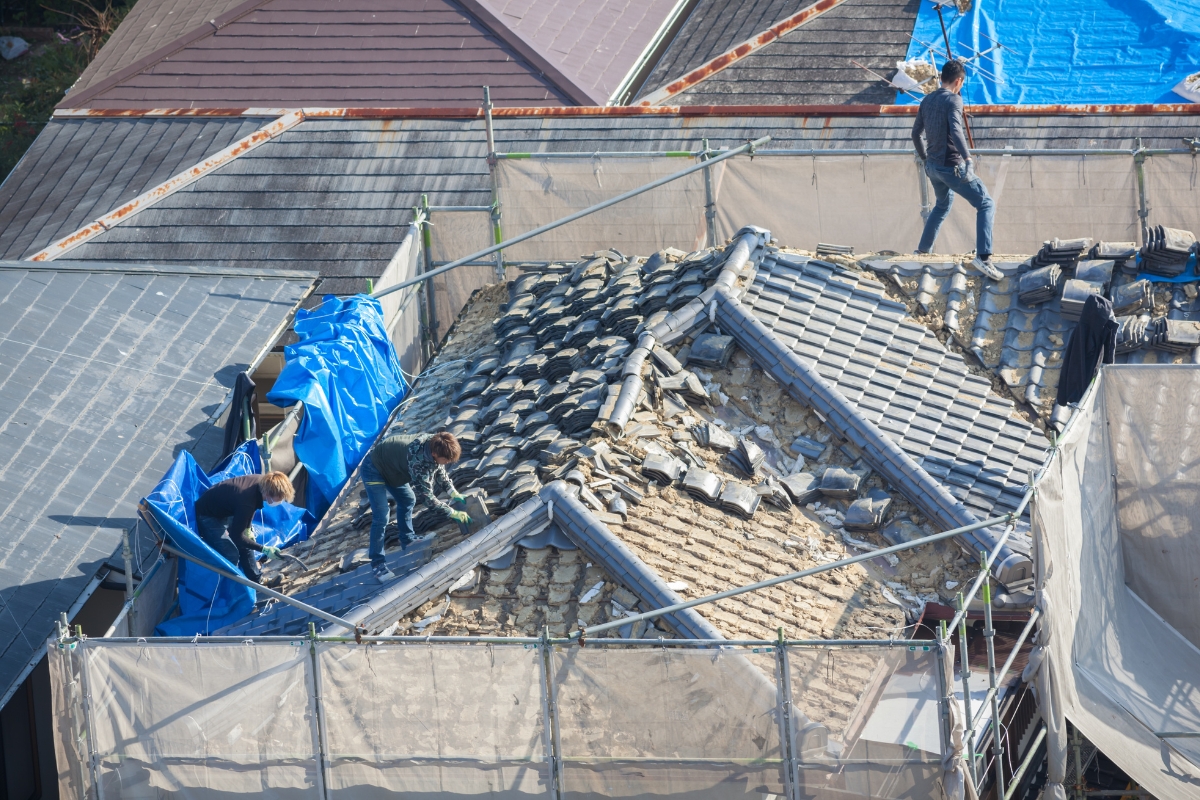
Emergency crews focus on stopping the water first. Typical temporary measures include tarping, sealing small openings, and covering exposed areas. These steps buy you time, but they are not a long-term solution.
What a Permanent Repair Involves
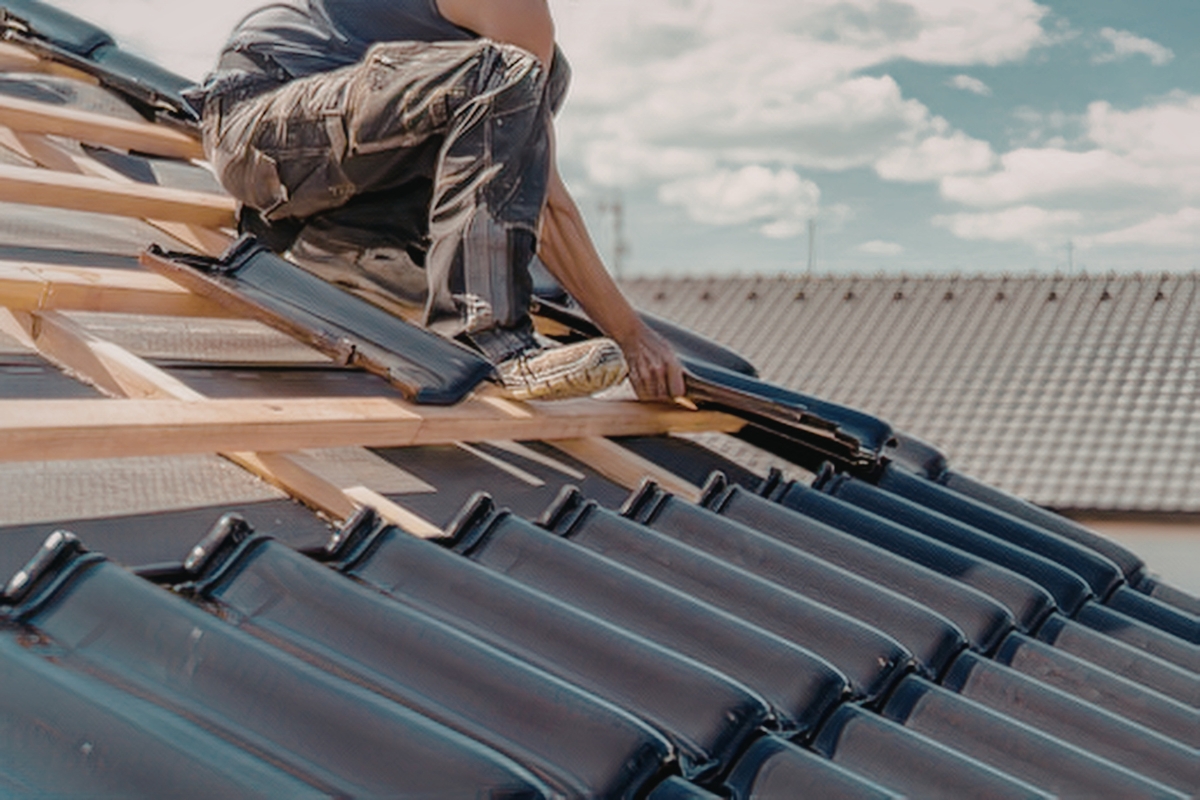
Once conditions are safe, a roofer will inspect the entire roofing system, replace damaged shingles, tiles, or flashing, repair the underlayment and decking, and restore proper sealing. In severe cases, a full roof replacement may be the most cost-effective option.
How Much Does Emergency Roof Repair Cost?
Emergency repair costs vary widely. The size of the damage, the type of roofing material, the pitch and height of the roof, and the time of day all affect the final price. Emergency tarping generally costs less than a structural repair, but a quick response often prevents far larger bills later. Always ask for a written estimate before work begins, and compare the scope of work, not just the price.
How to Handle Your Insurance Claim
Most Florida homeowners’ policies cover sudden storm damage, though they typically do not cover problems caused by neglect or normal wear. Contact your insurer as soon as possible, and share your photos, videos, and any repair estimates. Keep every receipt for temporary repairs, since many policies reimburse reasonable emergency costs. Review your policy’s deadlines carefully, because Florida enforces strict time limits for reporting claims.
For additional guidance, the Insurance Information Institute explains how to file a homeowners insurance claim, including steps to take after property damage. Avoid assuming that every roof leak is covered. Gradual deterioration, maintenance issues, and sudden storm damage may be treated differently under your policy. Your insurer can explain the applicable terms and documentation requirements.
A roofing contractor can also assess the roof’s condition and provide repair recommendations or an estimate. Keep in mind that an estimate does not guarantee insurance approval, and you should not delay necessary emergency measures while waiting for a claim decision.
Common Mistakes to Avoid During a Roof Leak
A stressful situation can lead to costly decisions. Avoid these errors:
- Climbing onto a wet or damaged roof
- Ignoring a small leak because it seems minor
- Hiring unlicensed contractors who appear after storms
- Paying the full amount upfront
- Patching the roof with household caulk and calling it fixed
Choose a Roofing Partner You Can Trust
When your roof is leaking, you need a team that answers the phone, arrives quickly, and fixes the problem right the first time. Look for a company with proper Florida licensing, liability insurance, workers’ compensation coverage, strong local reviews, and clear written estimates. Be cautious of out-of-state contractors who show up after storms and ask for large upfront payments.
If you are searching for dependable help, Tato’s Roofing offers roofing solutions for Florida homeowners. Visit their website to learn more about their services and to request an inspection.
Don’t Wait for the Next Storm: Protect Your Home Today
Prevention is the best protection. Schedule a roof inspection at least once a year and after every major storm. Clear your gutters, trim overhanging branches, and replace worn shingles or sealant before hurricane season arrives. A small investment today can prevent a costly emergency tomorrow.
If water is already coming through your ceiling, do not wait. Follow the steps above, document the damage, and call a trusted professional right away. Fast action protects your home, your family, and your peace of mind.
Frequently Asked Questions
1. What counts as a roof emergency?
A roof emergency is any situation that lets water into your home or threatens its structure. Active leaks, missing shingles after a storm, a sagging roof, and fallen trees all qualify. When in doubt, call a professional.
2. How long can a roof leak go untreated?
It should not go untreated for more than a day or two. Mold can begin growing within 24 to 48 hours, and prolonged moisture can weaken framing, insulation, and drywall.
3. Does homeowners insurance cover emergency roof repair in Florida?
Many policies cover sudden damage from storms, wind, or falling objects. They typically exclude damage from neglect or normal wear. Review your policy and contact your insurer promptly.
4. Can I fix a leaking roof myself?
You can take safe, temporary steps indoors, such as containing water and moving belongings. However, you should leave roof work to licensed professionals, because wet roofs are slippery and dangerous.
5. How quickly can an emergency roofer respond?
Response times depend on the provider, weather conditions, and demand after major storms. Choose a company that offers 24/7 emergency service, and call as soon as the leak begins.