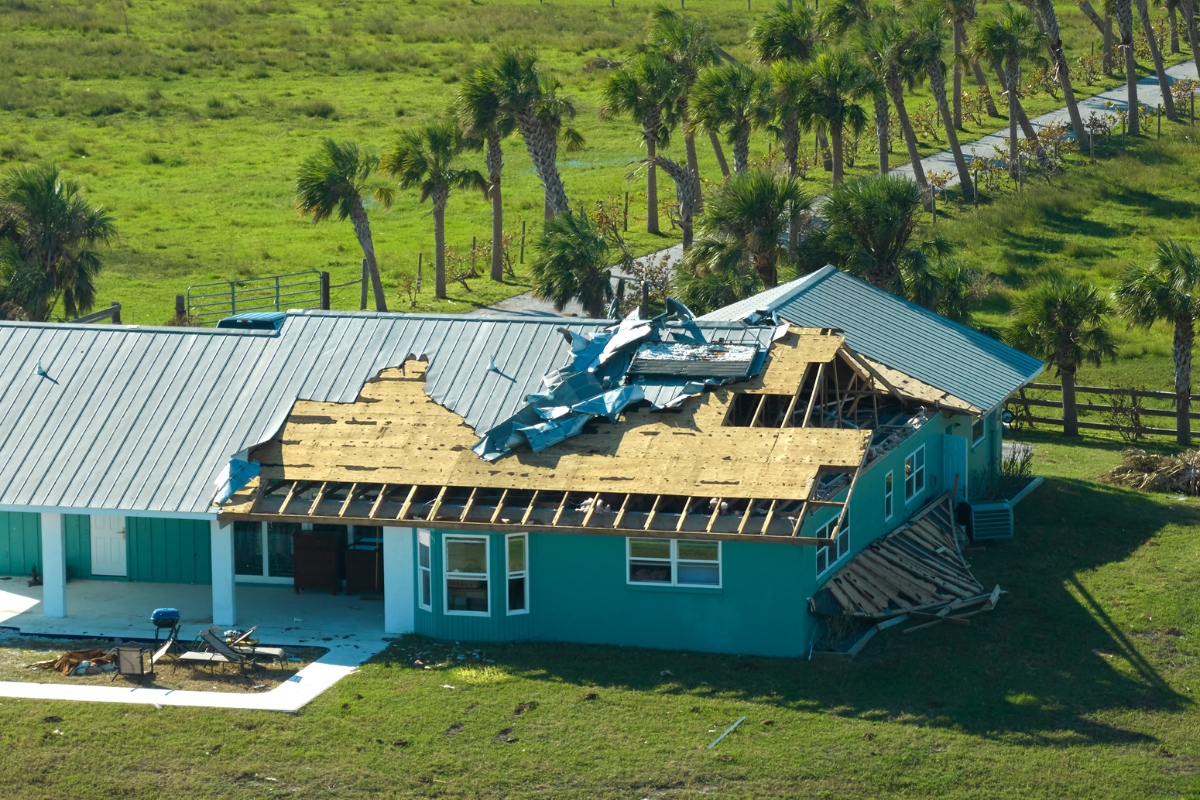
A storm rolls through, and suddenly your ceiling has a wet spot, shingles are scattered across the yard, and you’re watching the weather forecast with your stomach in knots. Florida homeowners know this feeling well. The state sits squarely in one of the most storm-active regions in the country, and when a hurricane or severe thunderstorm hits, the roof takes the first and hardest blow.
The question most homeowners ask immediately after is a practical one: how long will this actually take to fix? The honest answer is that it depends — but it’s not as vague as it sounds. There are specific factors that drive the timeline, and knowing them upfront helps you plan, communicate with your insurance company, and avoid being taken advantage of in a moment of urgency.
What Drives the Post-Storm Repair Timeline
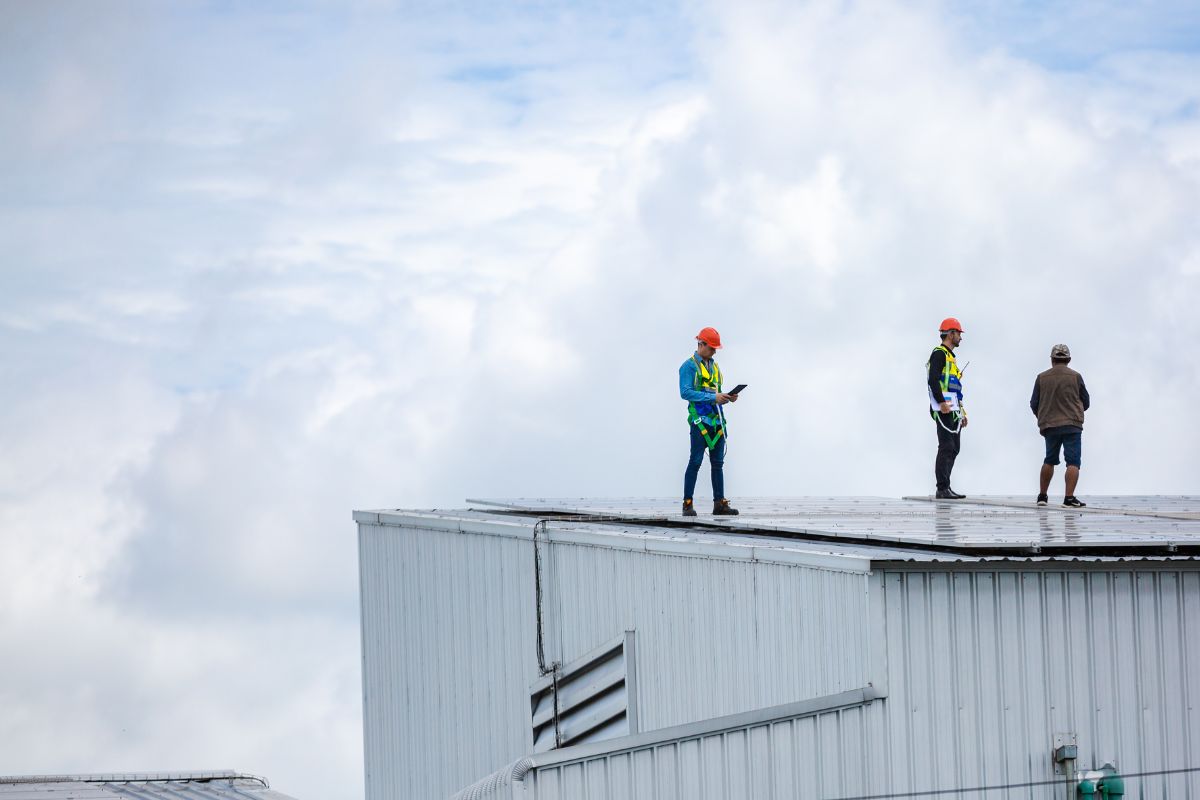
Every storm repair job starts the same way with an inspection. Before a single shingle gets replaced or a tarp gets deployed, a qualified roofer needs to assess what actually happened to your roof. That assessment shapes everything that comes next.
As a leading roofing company in Florida, Tato’s Roofing responds quickly to post-storm calls because the gap between damage and a proper inspection is where secondary problems begin. Water doesn’t wait for a convenient time to find its way through a compromised roof deck.
Several variables determine whether your repair wraps up in a day or stretches over a few weeks:
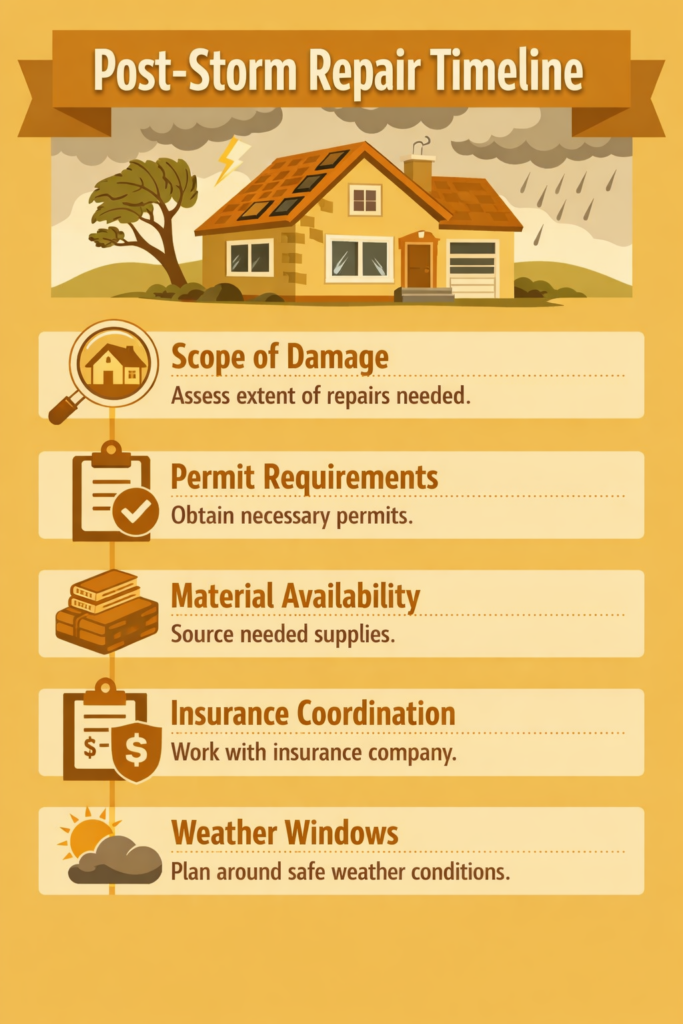
- Scope of damage — Missing shingles on a small section can be repaired much faster than widespread structural damage to decking, fascia, or underlayment
- Permit requirements — Florida’s building codes require permits for many roofing repairs, and processing time varies by county
- Material availability — After a major regional storm, roofing materials can be in short supply as demand spikes across the area
- Insurance coordination — When insurance is involved, the adjuster visits, and claim approval adds time before full repairs can begin
- Weather windows — Florida’s wet season makes scheduling repairs around dry weather essential for safe, effective installation
The Usual Step-by-Step Guide to Roof Repair
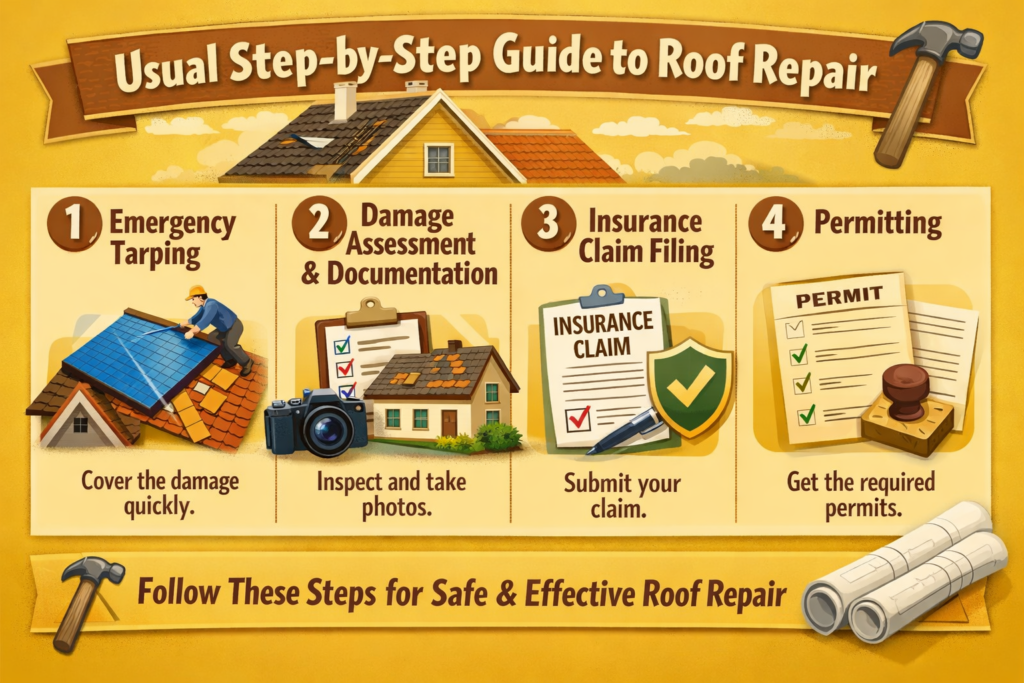
Step 1: Emergency Tarping (Day 1)
The first priority after storm damage is stopping water intrusion. A properly installed emergency tarp, secured over the damaged sections with appropriate fasteners and overlap, can protect a home for several weeks while the full repair is planned and permitted. Professional tarping is safer, more effective, and often covered by insurance, and it creates the breathing room needed to do the actual repair correctly rather than hastily.
Tato’s Roofing provides emergency tarping as a first-response service because protecting your home from additional moisture damage directly affects both your wallet and the scope of eventual repairs.
Step 2: Damage Assessment and Documentation
Once the immediate threat of water infiltration is controlled, a thorough inspection documents every point of damage — not just the obvious ones. Photo evidence and detailed inspection reports from a reputable, certified roofing contractor are valuable when evaluating insurance claims, and they eliminate potential disputes about the roof’s condition before the storm.
This step also identifies any hidden damage. Shingles can look intact from the ground while the underlayment beneath has been compromised by uplift forces. A proper inspection goes past the surface.
Step 3: Insurance Claim Filing
Florida law requires homeowners to report a property insurance claim promptly after a storm, and for weather-related events, the date of loss is typically the date the storm event is verified by NOAA. Filing quickly matters — delays can complicate claims. Your roofing contractor should provide a clear, itemized estimate and be available to communicate directly with your adjuster, which significantly streamlines the process.
A 2022 change to Florida’s roofing law modified the old 25% rule, meaning insurance companies now have greater discretion over whether to pay for a full replacement rather than a repair—even when the damage is substantial. Understanding this distinction before your adjuster arrives is important, and a knowledgeable local contractor can help you interpret what your policy actually covers.
Step 4: Permitting
Florida building codes require permits for many roofing repairs, particularly those involving decking replacement or work that affects structural components. Permit timelines differ by county — some process approvals within a few days, others take longer. This step is non-negotiable, and any contractor suggesting you skip it is a red flag worth paying attention to.
Step 5: The Actual Repair
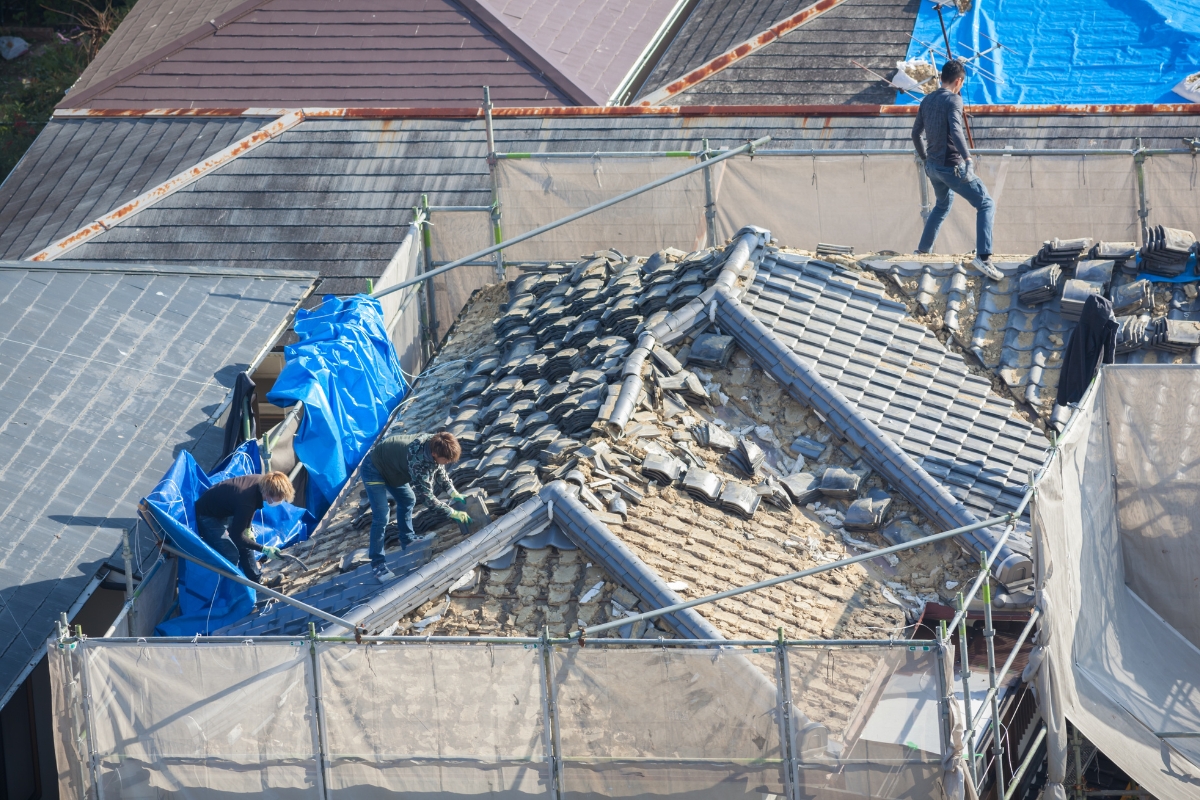
Once materials are on hand, permits are in place, and the insurance claim has been settled, the physical repair begins. For straightforward shingle replacement on a residential roof, a single day of work is often sufficient. More involved repairs — damaged decking, flashing replacement, or partial re-roofing — typically run two to three days. Tile roofs, which are common in Florida for their durability, require additional care during repairs as ridge tiles and field tiles can shift or crack, and reinstallation demands precision to maintain waterproofing integrity.
Quality roofing services are not measured by how fast a crew works — they’re measured by whether the repair holds up through the next storm season.
What Slows Repairs Down After a Major Storm
After a widespread weather event, every homeowner in the area needs help at the same time. Roofers are typically swamped with calls after a major storm, and it can take time to work through the demand, which is exactly why having a tarp properly installed provides meaningful protection for your home in the interim.
After a storm, many roofers are overwhelmed with more jobs than they can handle, and a chief sticking point in getting repairs done often comes down to insurance coverage questions between the property owner and the insurance company.
One thing that genuinely speeds things up: choosing a local contractor you’ve already vetted, rather than scrambling after the storm hits. Storm chasers — contractors who come into an area after a major event offering quick, low-cost repairs — are a persistent problem in Florida, and the repairs they perform often create more issues than they solve. A contractor with a local track record, proper licensing, and no pressure tactics is always the safer call.
What a Realistic Timeline Looks Like
For most residential emergency repairs in Florida:
- Emergency tarping: Same day or within 24 hours of your call
- Inspection and documentation: Same day as tarping in most cases
- Insurance adjuster visit: Usually, within a few days to two weeks of filing
- Permit approval: Three to ten business days, depending on the county
- Material delivery and scheduling: One to two weeks, or longer, after a regional storm
- Repair completion: One to three days of active work for most residential jobs
Total time from storm to finished repair often runs three to six weeks when insurance is involved. Cash-pay repairs on straightforward damage can wrap up faster — sometimes within a week of the storm.
Don’t wait to get your roof assessed after a storm. The longer water sits on a compromised roof deck, the more expensive the eventual fix becomes. Reach out to Tato’s Roofing today for a fast, thorough post-storm inspection and emergency tarping — and get your home protected before the next system moves through.
People Also Ask
Should I get multiple estimates after storm damage, or just go with the first contractor?
Getting two to three estimates is reasonable and gives you a clearer sense of what the repair actually involves. That said, don’t delay emergency tarping while shopping around — water damage escalates quickly in Florida’s humidity. Have a contractor tarp the area immediately, then take the time to compare repair estimates before authorizing the full job.
Can my contractor handle the insurance claim on my behalf?
A roofing contractor can prepare documentation, provide itemized estimates, and communicate with your adjuster — but in Florida, only a licensed public adjuster or attorney can legally negotiate a claim on your behalf. Be cautious of any contractor who asks you to sign an Assignment of Benefits (AOB) document, as this transfers your insurance rights to them and has been a source of fraud in the state.
What happens if my insurance claim is denied?
A denial isn’t necessarily the final word. You have the right to request a re-inspection, provide additional documentation, or dispute the determination. A detailed inspection report from your contractor is useful evidence in this process. If the denial seems unjustified, consulting a licensed public adjuster or property insurance attorney in Florida is a reasonable next step.
Does the age of my roof affect what insurance will pay after a storm?
Yes, significantly. Many Florida insurance policies factor in roof age when calculating payouts, and older roofs may receive actual cash value rather than replacement cost value — meaning depreciation is applied. Knowing your policy terms before storm season is far better than discovering them after damage occurs.
How do I know if my roof needs a full replacement versus a repair after a storm?
This determination depends on the percentage of the roof affected, the condition of the decking and underlayment beneath the surface material, and the age and material of the existing roof. A roofing contractor’s inspection combined with an insurance adjuster’s assessment will typically answer this question — though in cases of disagreement, a second opinion from another licensed contractor is perfectly reasonable to pursue.